Technologies
Experienced Development Technologies
We apply proven engineering technologies to turn your ideas and designs into physical products, production-ready molds and smart assembly lines, connecting development insight with practical manufacturing.
Leak Testing & Helium Mass Spectrometry
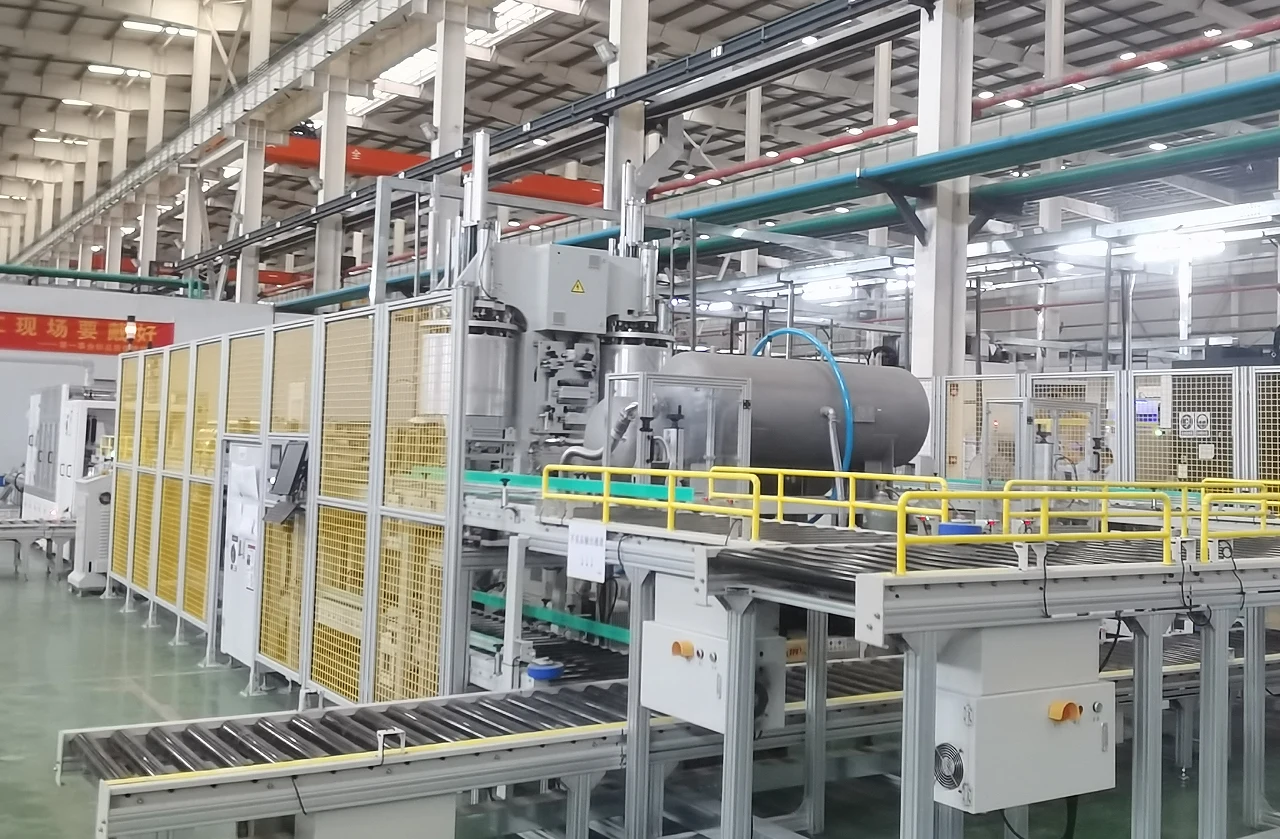
A sealed part needs a test method matched to its function. We coordinate air pressure-decay, flow and tracer-gas testing, with particular support for helium leak-test equipment and automated production integration.
Helium mass spectrometry detects tracer gas escaping from a test part. Method selection depends on the allowable leak rate, part volume, test pressure and whether the task is to measure the total leakage or locate an individual leak.
Test methods
- Vacuum chamber: charge the part with helium or a defined mixture, evacuate the surrounding chamber and measure escaping tracer gas.
- Sniffer testing: inspect accessible joints, seals and connection points to help locate leaks.
- Accumulation testing: measure tracer gas collected around a part within a defined enclosure and test interval.
Production integration
A station can combine part identification, fixture sealing, gross-leak checks, evacuation, gas filling, measurement, gas recovery and result recording. The sequence is developed around the part and the required cycle time.
Applications include electric-drive and inverter housings, cooling circuits, valves, connectors, battery enclosures and air-spring components.
- Define before quotation
- Leak-rate limits and units, pressure differential, tracer concentration, cycle target, sealing interfaces and data traceability.
- Validate before release
- Reference-leak calibration, background levels, fixture leakage, known-good and known-defect samples, gas consumption and recovery requirements.
Automation Design & Integration
Start with the process flow, target output, product variants and operator tasks. We coordinate station concepts, line layouts, material handling and interfaces with the proposed automation team.
Solutions can combine feeding, servo pressing, robotic handling, screwdriving, plastic welding, vision inspection, electrical checks and end-of-line testing. Mechanical design, controls and safety requirements are reviewed together.
Cycle-time reviews, fault handling, changeover, maintenance access and process-data records are integrated into design reviews and factory acceptance planning.
Contact me for details of past assembly line projects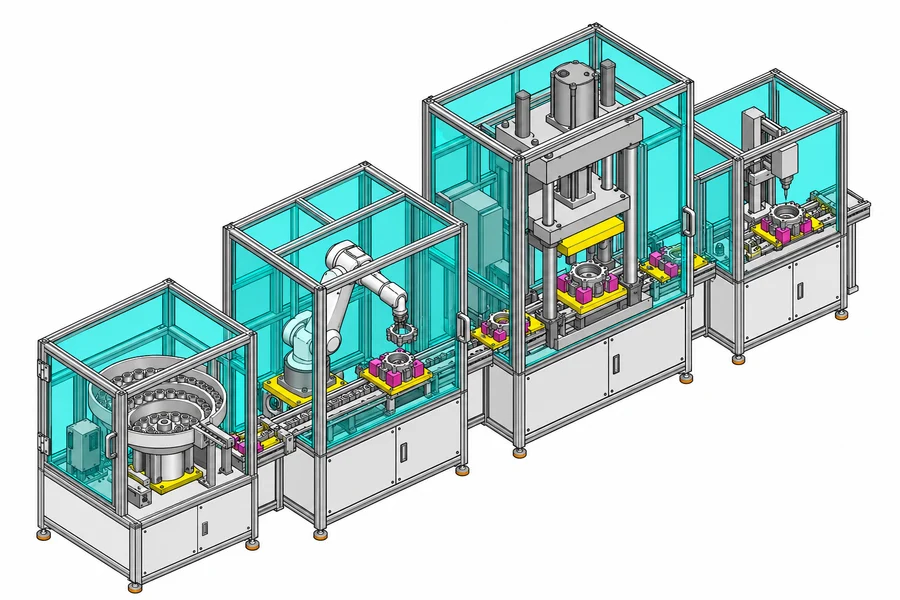
Plastic Welding Technologies
Joint geometry, polymer compatibility, cleanliness, appearance and production volume guide the welding route. We coordinate process selection, joining fixtures, trials and integration into standalone stations or complete assembly lines.
Trial work establishes a practical process window and verifies joint strength, sealing and repeatability against the product specification.
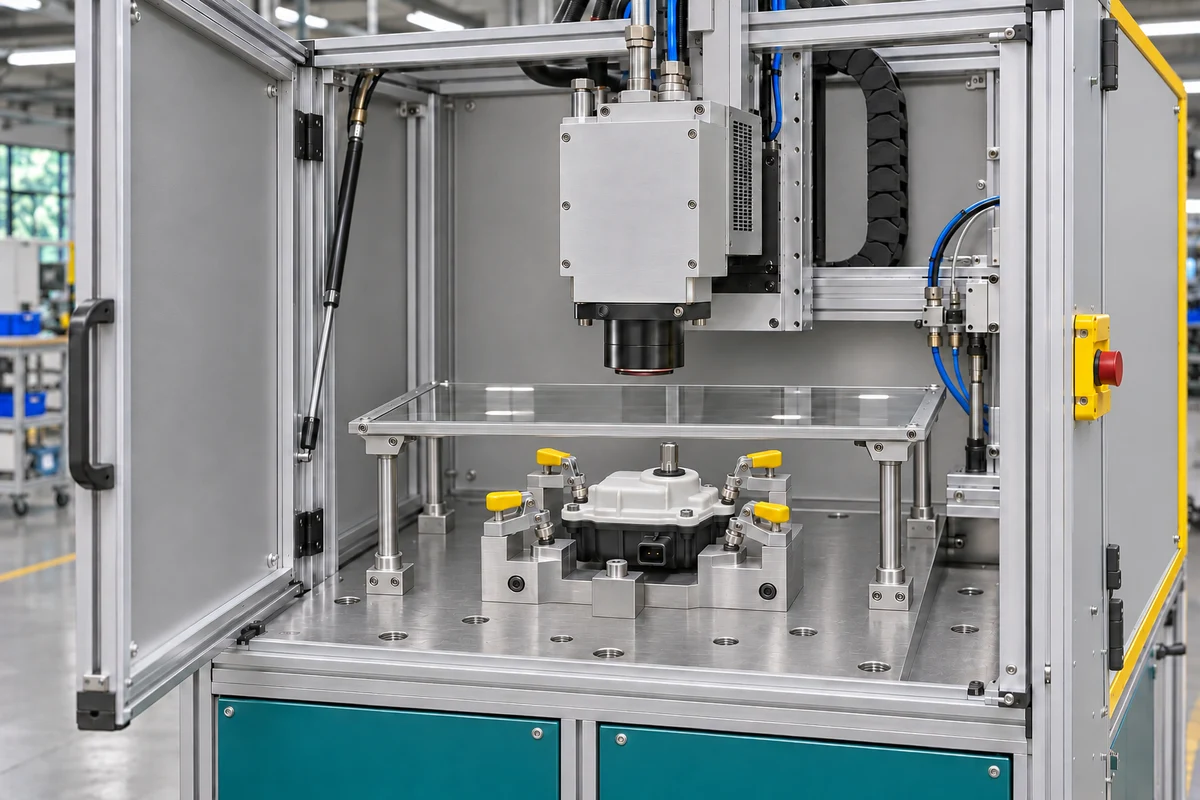
Laser welding
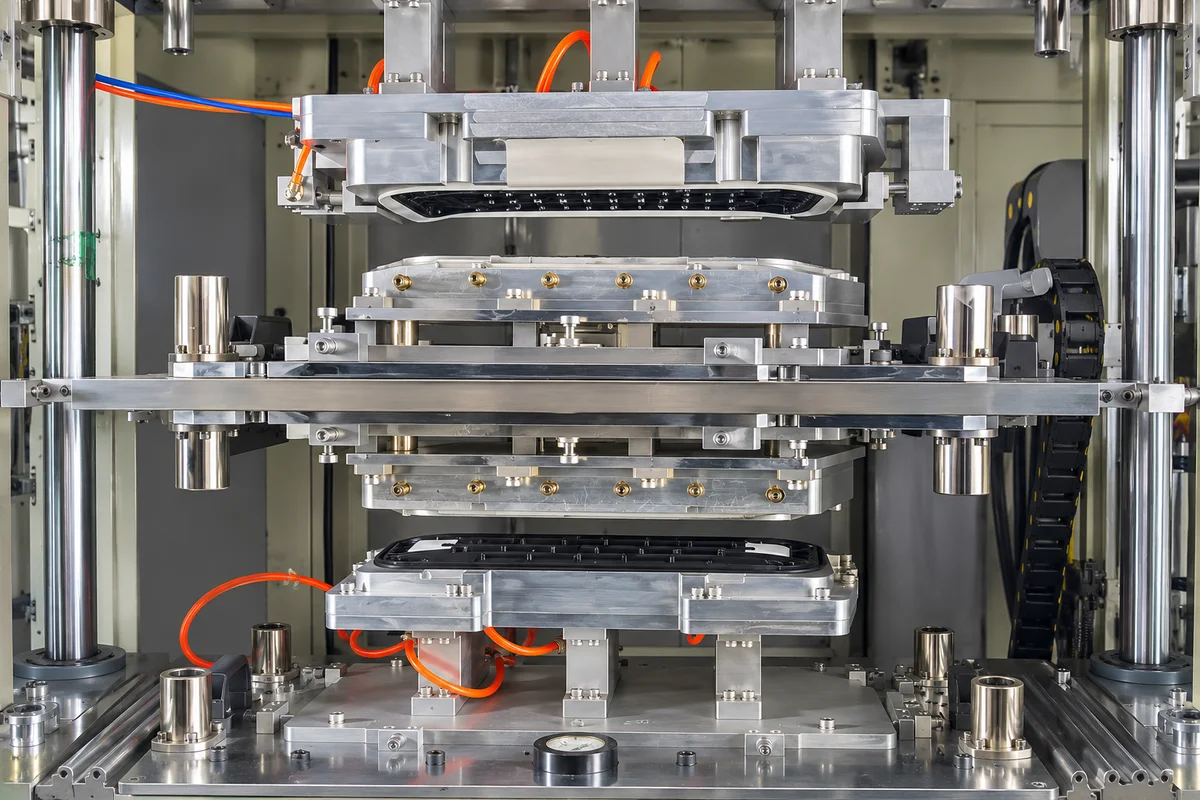
Hot-plate welding
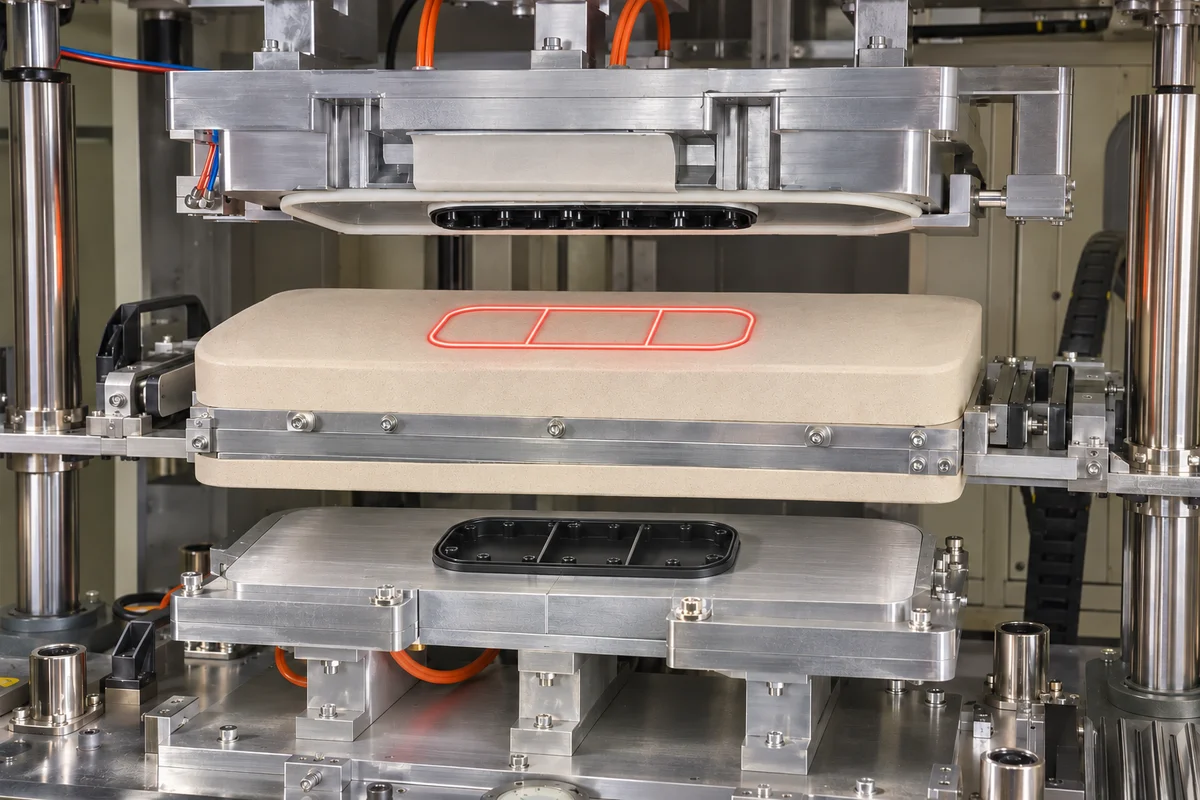
Infrared welding
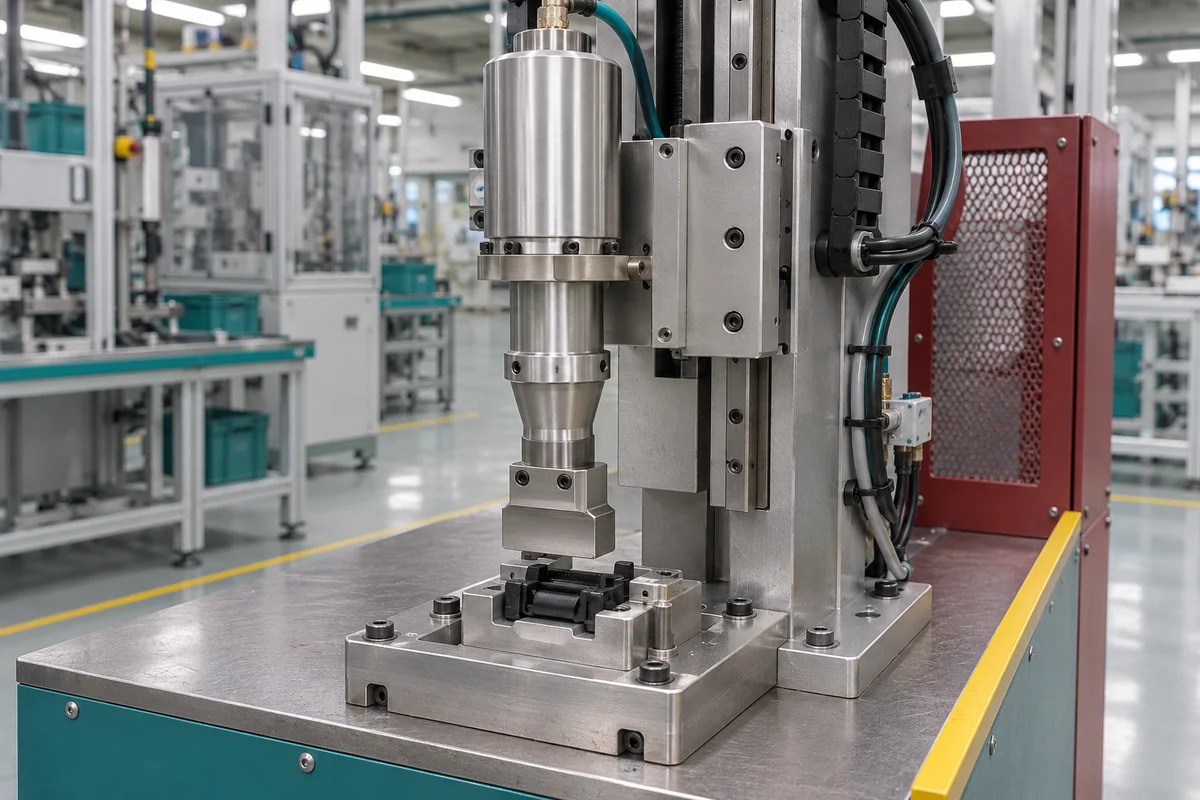
Ultrasonic welding
- Laser welding
- Focus energy at the joint through a compatible material and optical path, with controlled clamping and seam access.
- Infrared welding
- Heat the joining surfaces with infrared energy, then press the molten interfaces together under controlled conditions.
- Vibration friction welding
- Use relative oscillating motion and pressure to generate heat at the mating surfaces before consolidation.
- Hot-plate welding
- Melt the mating surfaces against a heated platen, then remove the platen and press the parts together under controlled conditions.
- Ultrasonic welding
- Transfer high-frequency mechanical energy through a tuned horn and fixture to form the joint.
Manufacturability & Simulation
Design for manufacturing connects the product model to a practical tooling and production route. Reviews cover wall thickness, draft, undercuts, parting lines, gates, venting, cooling, ejection and assembly access.
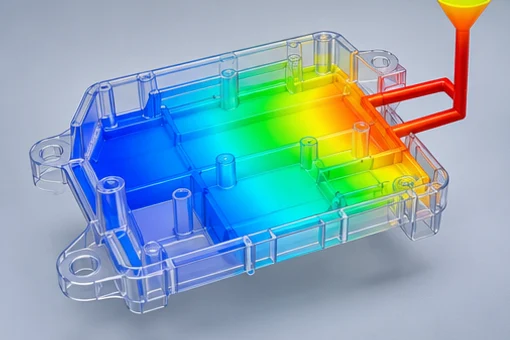
Injection-molding simulation can compare filling and packing behavior, weld lines, air traps and likely warpage. For rubber and silicone tooling, specialists review compound behavior, cavity layout, flash control and demolding against the selected process.
Structural or thermal CAE is scoped around the actual loads, material data and boundary conditions. Findings guide design changes and trial plans, with critical assumptions verified through physical validation.
Rapid Prototypes Across Materials
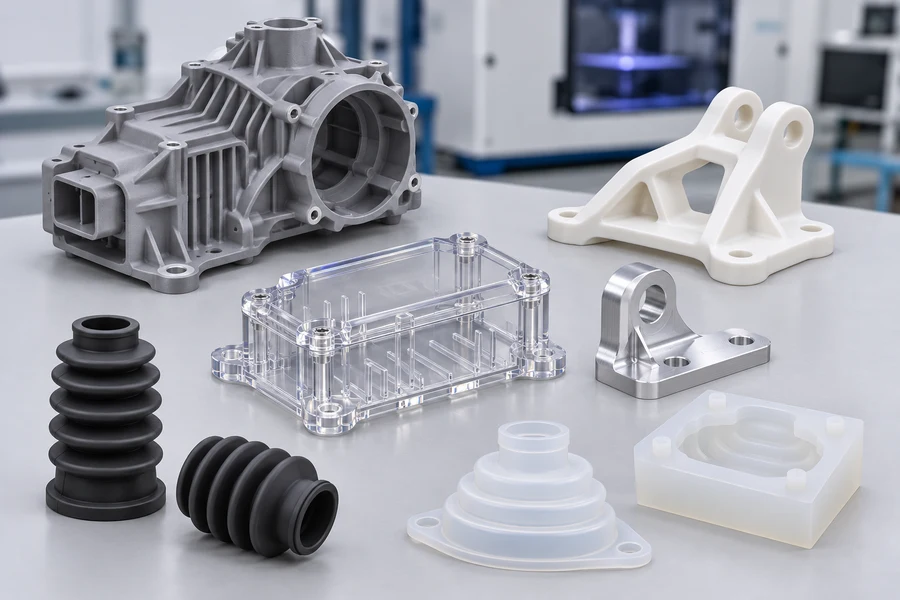
The intended test determines the route. Visual models, flexible seals and loaded metal brackets each call for a suitable material and manufacturing process.
- Plastics
- SLA/DLP, SLS/MJF, FDM, CNC machining, vacuum casting and short-run tooling for opaque, clear and functional parts.
- Rubber
- Flexible printed or cast substitutes for early fit checks, and short-run molding in the required compound when material behavior matters.
- Silicone
- Cast silicone parts and soft tooling for flexible forms, sealing concepts and low-volume trials.
- Metals
- CNC machining, sheet-metal fabrication and suitable additive processes for brackets, housings and functional assemblies.
We align critical dimensions, finishing, inserts and assembly needs before manufacture. Sample records identify the selected material and the checks it supports, including any limits on durability or production equivalence.
Product Development Testing
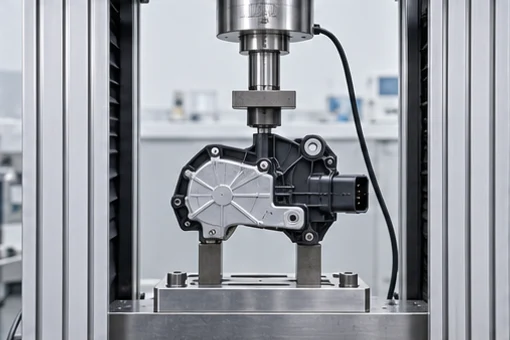
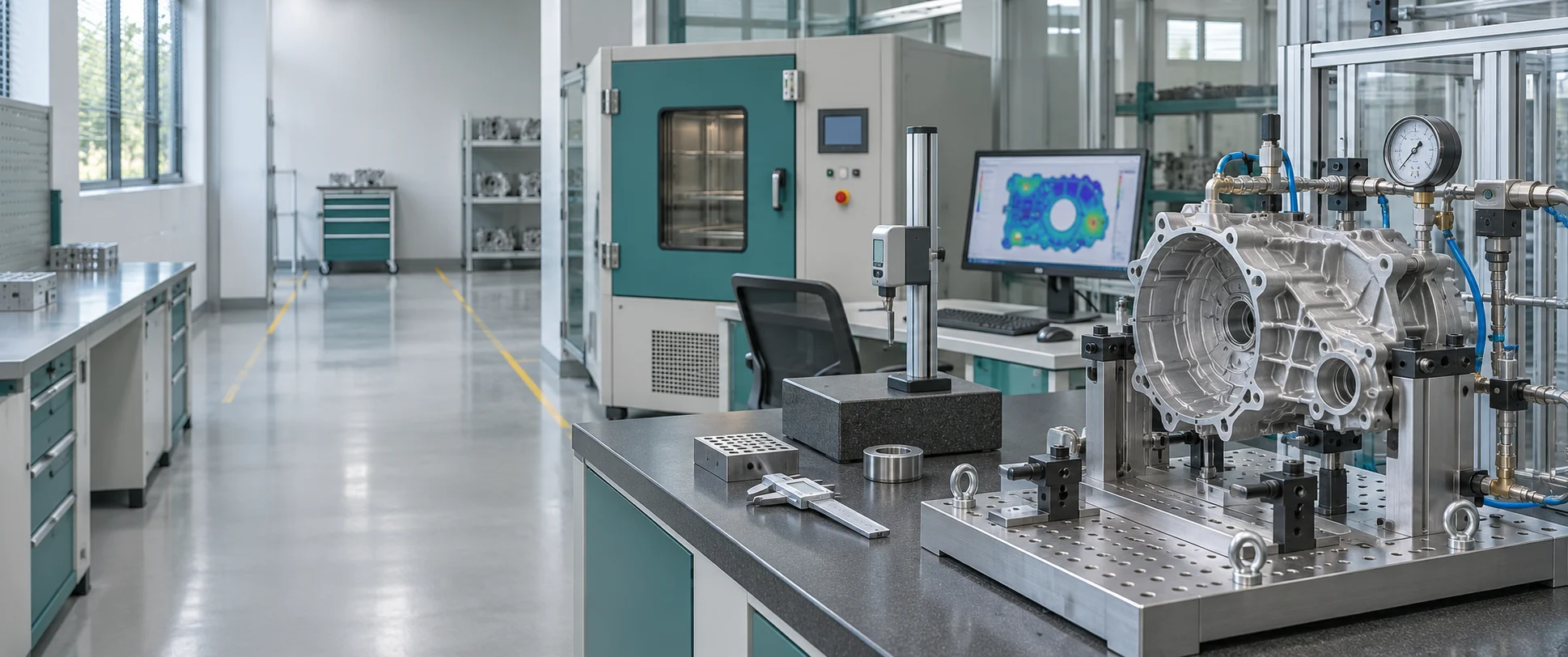
Turn a design question into a repeatable experiment. We help define the sample revision, test setup, fixture, conditioning, measurement method and acceptance criteria with the appropriate laboratory or equipment specialist.
- Dimensional inspection, fit and assembly verification.
- Leak, pressure, flow, electrical and functional checks.
- Mechanical loading, fatigue and durability trials.
- Thermal, humidity and environmental exposure where relevant to the development plan.
Results should connect sample IDs and test conditions to measured values, observations and next actions. Where an accredited report is required, we confirm the laboratory, method and current accreditation scope before placing the work.